Watering Your New Lawn: When and How Often to Hydrate New Grass
You've invested time and money into your new lawn—now the real work begins. Proper watering during those critical first weeks can mean the difference between a lush, thriving lawn and patchy, struggling grass. Here's everything you need to know.

Why Proper Watering Is Critical for New Lawns
New grass—whether from seed or sod—has a shallow, undeveloped root system. Unlike established lawns that can draw moisture from deep in the soil, new grass relies entirely on surface moisture. This means consistent, careful watering isn't optional; it's essential for survival.
The goal during the establishment period is to keep the soil consistently moist without waterlogging it. Too little water causes seeds to dry out and die before germinating. Too much water leads to fungal diseases, root rot, and weak growth. Finding the right balance is the key to success.
The New Lawn Watering Schedule
Your watering approach should evolve as your lawn matures. Here's a week-by-week guide for the first two months:
| Timeframe | Frequency | Duration | Goal |
|---|---|---|---|
| Week 1-2 | 2-3 times daily | 5-10 minutes per session | Keep soil surface constantly moist for germination |
| Week 3-4 | Once daily | 15-20 minutes | Encourage roots to grow deeper |
| Week 5-6 | Every other day | 20-30 minutes | Transition to deeper, less frequent watering |
| Week 7+ | 2-3 times per week | 30-45 minutes | Establish deep root system (1 inch per week) |
Pro Tip
The exact timing depends on your soil type, weather conditions, and grass variety. Sandy soils drain quickly and may need more frequent watering, while clay soils retain moisture longer.
The Best Time of Day to Water Your Lawn
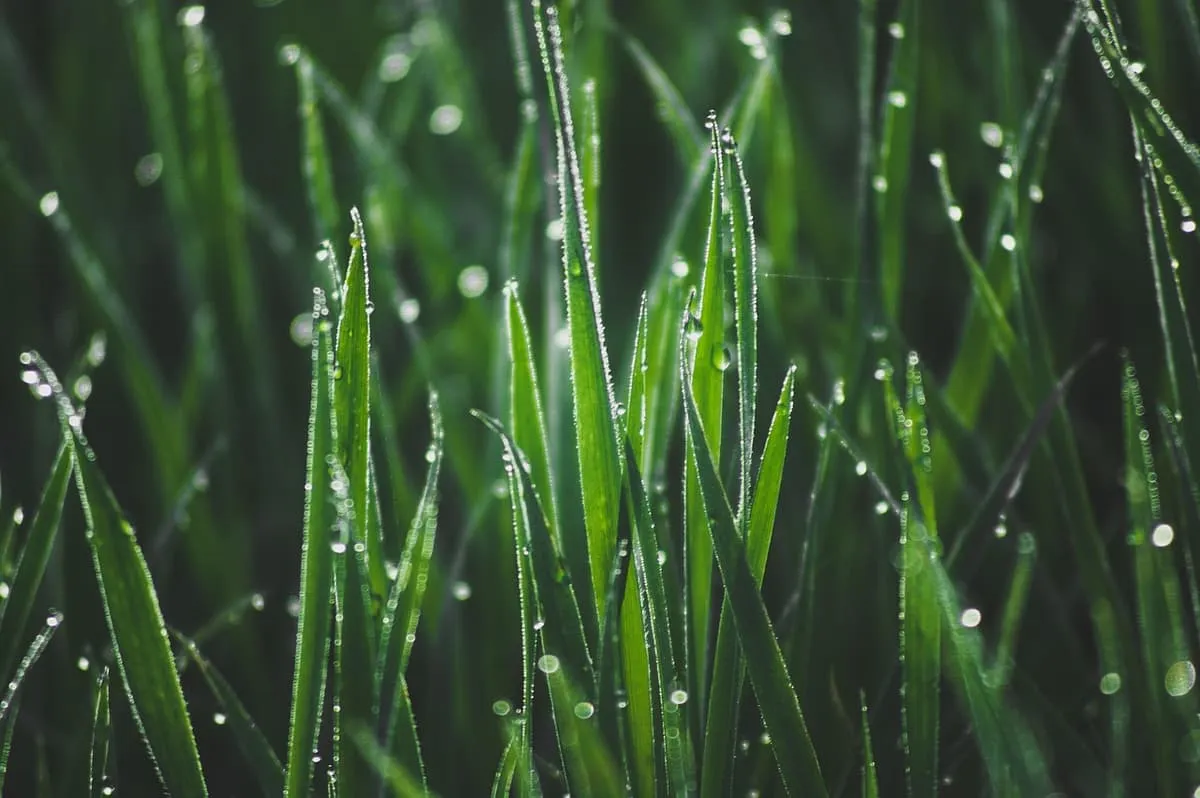
Early morning (6 AM - 10 AM) is the ideal time to water your lawn. Here's why:
- Less evaporation: Cooler temperatures mean more water reaches the roots
- Wind is calmer: Water is distributed more evenly
- Grass dries by evening: Reduces risk of fungal diseases
- Prepares grass for the day: Hydrated grass handles heat stress better
When NOT to Water
Avoid Midday Watering
Up to 50% of water can be lost to evaporation during the hottest part of the day. You'll waste water and your lawn won't benefit.
Avoid Evening Watering
Grass that stays wet overnight is a breeding ground for fungal diseases like brown patch and dollar spot.
Seeded Lawn vs. Sodded Lawn: Different Approaches
Watering New Grass Seed
Grass seed is extremely vulnerable to drying out. Until germination occurs (typically 7-21 days depending on grass type), the top inch of soil should stay consistently moist—not soaked, but never completely dry.
- Water lightly but frequently (2-3 times daily)
- Use a fine mist setting to avoid washing seeds away
- Check soil moisture by pressing a finger into the soil
- Reduce frequency once you see green sprouts emerging
Watering New Sod
Sod has an advantage—it already has an established root system. However, those roots need to make contact with your soil and "knit" together. Proper watering helps this process.
- Water immediately after installation—soak thoroughly
- Keep sod moist for the first 2 weeks (water daily)
- Lift a corner of sod to check if water is reaching the soil beneath
- Transition to deeper, less frequent watering after 2-3 weeks
Signs Your New Lawn Needs More (or Less) Water
Your lawn will tell you if you're watering correctly. Learn to read these signs:
Signs of Underwatering
- Grass blades turn bluish-gray
- Footprints remain visible after walking
- Soil feels dry and hard
- Grass blades fold or curl inward
- Brown or yellow patches appear
Signs of Overwatering
- Spongy, mushy feel when walking
- Puddles that don't drain within an hour
- Mushrooms or fungus appearing
- Yellow grass despite adequate water
- Thatch buildup or slimy grass
How Much Water Does Your Lawn Actually Need?
Once established, most lawns need about 1 to 1.5 inches of water per week, including rainfall. But how do you measure this?
The Tuna Can Test
Place several empty tuna cans (or any straight-sided containers) around your lawn before watering. Run your sprinklers and check how long it takes to collect 1 inch of water. This tells you exactly how long to water each session.
Most sprinkler systems deliver about 1 inch of water in 30-60 minutes, but this varies widely.
Seasonal Watering Adjustments
Your watering schedule shouldn't stay the same year-round. Adjust based on the season:
| Season | Frequency | Notes |
|---|---|---|
| Spring | 1-2 times per week | Natural rainfall often supplements; monitor soil moisture |
| Summer | 2-3 times per week | Increase during heat waves; water deeply to beat drought stress |
| Fall | 1-2 times per week | Reduce as temperatures cool; ideal for establishing new lawns |
| Winter | Minimal to none | Dormant lawns need little water; water only during dry spells |
Common Watering Mistakes to Avoid
Even well-intentioned homeowners make these errors:
- Watering too lightly: Brief daily watering creates shallow roots that can't survive drought. Water deeply and less frequently once established.
- Ignoring rainfall: If it rained yesterday, you probably don't need to water today. Invest in a rain gauge.
- Using the wrong sprinkler: Oscillating sprinklers work well for large, square areas. Rotary sprinklers are better for circular coverage.
- Watering the sidewalk: Adjust sprinkler heads to minimize runoff onto pavement.
- Not adjusting for slopes: Hillsides may need shorter, more frequent watering cycles to prevent runoff.
Irrigation System Tips
If you have an in-ground irrigation system, make sure it's optimized:
- Check all sprinkler heads for clogs or misalignment each spring
- Install a smart controller that adjusts watering based on weather
- Consider adding a rain sensor to prevent watering during storms
- Run each zone separately to identify coverage gaps
- Schedule watering for early morning hours
The Bottom Line
Watering a new lawn properly takes attention and consistency, especially during those first few weeks. Start with frequent, light watering to keep seeds or sod moist, then gradually transition to deeper, less frequent watering to encourage strong root development.
Remember: your lawn will communicate its needs through visual cues. Pay attention to the color and texture of your grass, check soil moisture regularly, and adjust your watering schedule based on weather conditions.
With patience and proper care, your new lawn will establish a deep, healthy root system that will serve you well for years to come.
Need Help With Your New Lawn?
At Turf Pro Inc., we've been helping Massachusetts homeowners establish beautiful, healthy lawns since 1986. From overseeding to complete lawn renovation, we're here to help.
Get a Free Quote