Professional Lawn Aeration Services: The Complete Guide to a Healthier Lawn
Have you noticed brown spots, thinning grass, or water pooling on your lawn? These telltale signs indicate your soil may be compacted and could benefit from professional aeration. Core aeration helps your lawn breathe, absorb nutrients, and stay healthy year-round.
What Is Lawn Core Aeration?
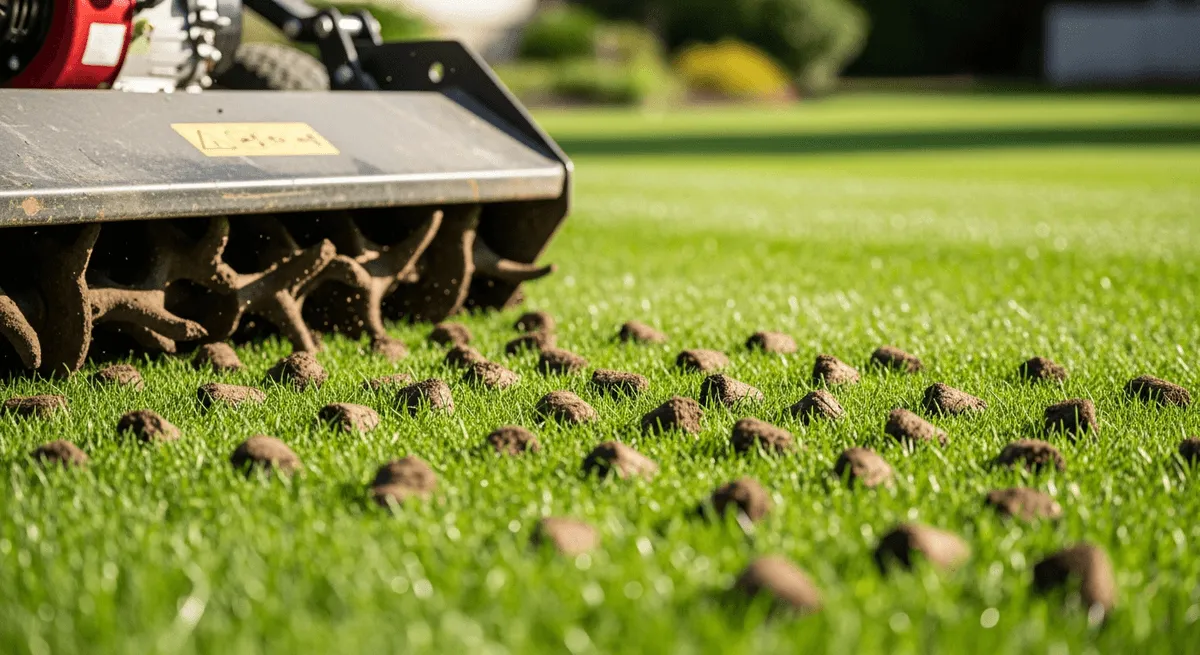
Core aeration removes small plugs of soil from your lawn, creating channels for air, water, and nutrients to reach the roots. This process loosens compacted soil, allowing roots to grow deeper and absorb more nutrients.
Professional-grade equipment extracts soil cores 2 to 3 inches deep and about half an inch in diameter, spaced evenly across your lawn. The cores remain on the surface, where they naturally decompose over 2 to 3 weeks, returning beneficial nutrients and microorganisms to the soil.
Benefits of Professional Lawn Aeration
Improved Root Development
Core aeration creates space for grass roots to expand and grow deeper. This results in a stronger, more drought-resistant lawn that can better withstand weather extremes throughout the seasons.
Enhanced Water and Nutrient Absorption
Aeration helps reduce water runoff and puddling by enabling water to penetrate deeper into the soil. This means more efficient watering and better utilization of fertilizers and nutrients you apply to your lawn.
Reduced Thatch Buildup
Aeration breaks up thatch, the layer of dead grass and debris between the soil and grass blades. Excessive thatch can block water and nutrients from reaching roots. By creating openings in the soil, water reaches roots more easily and thatch breaks down faster over time.
Ready to transform your lawn?
Professional lawn aeration services are just a call away. Contact us today to schedule your service or get a free quote.
Schedule FREE EstimateWhen Is the Best Time to Aerate Your Lawn?
Timing is crucial for lawn aeration success. The ideal window depends on your climate and grass type, but here are the general guidelines:
-
Early Fall (September through October): This is the optimal time for most cool-season lawns. Cool temperatures and adequate moisture create ideal conditions for grass recovery and root development before winter dormancy sets in.
-
Early Spring (March through April): Early to mid-spring, after the soil thaws and before summer heat, is an alternative. However, spring aeration can bring weed and crabgrass seeds to the surface, making them more difficult to control during summer. For this reason, fall is generally preferred.
Important
Aerating too close to summer can leave soil exposed, causing moisture loss. If the soil doesn't receive sufficient watering while exposed, it can dry out and stress your lawn.
How Often Should You Aerate Your Lawn?
"Most residential lawns benefit from annual aeration. Lawns with heavy use or dense clay soil may require aeration twice a year."
The ideal frequency depends on several factors:
| Factor | Details | Recommended Frequency |
|---|---|---|
| Soil Type | Clay soils compact more quickly and retain less oxygen in the root zone. | Twice a year (spring and fall) |
| Lawn Traffic | Lawns that see frequent use, including play areas and pet runs, compact faster. | Twice a year or as needed |
| Lawn Age | Newer lawns usually require less frequent aeration if installed properly. However, many new construction homes have minimal topsoil or poor-quality soil. | Annually, with overseeding recommended |
| Thatch Thickness | A thatch layer thicker than 1/2 inch indicates a need for aeration to improve decomposition. | Annually at minimum |
The Professional Lawn Aeration Process
Here's what to expect when you schedule professional aeration services:
Initial Lawn Assessment
We start with a professional assessment to check for compacted soil, thatch buildup, and any areas that need special attention. This includes testing soil moisture levels and identifying high-traffic zones.
Core Aeration
Using professional equipment, we extract evenly spaced soil cores across your entire lawn for consistent coverage. Cores are typically 2-3 inches deep, spaced 2-3 inches apart.
Post-Aeration Care
We provide specific instructions for watering and maintenance following aeration to maximize results. Consistent watering in the days after aeration helps the lawn recover quickly.
Optional Overseeding
We often recommend overseeding immediately after aeration because the holes provide ideal conditions for seed germination. This is the single best time to thicken your lawn and fill in thin or bare areas.
Pro Tip
Water your lawn the day before your scheduled service to loosen the soil. This allows for deeper, more effective aeration.
Professional Equipment Makes a Difference
Professional lawn care companies invest in commercial-grade aerator machines that deliver superior results compared to rental equipment or pull-behind attachments. Here's what sets professional equipment apart:
| Feature | Professional Equipment | Rental / DIY Equipment |
|---|---|---|
| Core Consistency | Removes soil cores consistently at the ideal depth (2-3") | Inconsistent depth, often too shallow |
| Coverage Efficiency | Covers ground efficiently with proper spacing between cores | Uneven spacing, missed areas common |
| Adjustability | Adjustable settings for different soil conditions | Limited or no adjustments available |
| Turf Impact | Better results with less damage to existing turf | Can tear or damage lawn if used incorrectly |
Aeration and Your Lawn Care Program
Aeration works best as part of a comprehensive lawn care program. When combined with proper fertilization, weed control, and watering practices, aeration amplifies the effectiveness of every other treatment you apply.
For Massachusetts lawns, we recommend scheduling aeration as part of your fall recovery program. The cool fall temperatures give your lawn plenty of time to recover and establish deeper roots before winter dormancy. Pairing aeration with spring lawn care practices ensures year-round health.
If your lawn also struggles with pests, consider combining aeration with grub control and tick and mosquito treatments for a complete lawn health approach.
Frequently Asked Questions About Lawn Aeration
How much does lawn aeration cost?
Lawn aeration costs depend on your yard's size and condition. Most core aeration services for average residential lawns range from $150 to $300. Contact us for a free, customized quote based on your specific property.
Should I remove the soil plugs after aeration?
No, leave the soil cores on your lawn. They contain beneficial microorganisms and nutrients that will break down over 2 to 3 weeks and return to the soil naturally. This is part of the aeration benefit.
Can I mow my lawn after aeration?
Yes, you can mow immediately after aeration. The soil plugs won't interfere with your mower and will break down faster with regular mowing.
Is aeration the same as dethatching?
No, they are different services. Dethatching mechanically removes the layer of dead grass and debris on the surface, while aeration creates holes in the soil to allow air, water, and nutrients to reach the roots more easily. Many lawns benefit from both services, and regular aeration can help break down thatch over time.
What should I do after my lawn is aerated?
After aeration, water your lawn thoroughly. This is also the ideal time to overseed and fertilize, as the open holes allow seed and nutrients to reach deeper into the soil. Avoid heavy foot traffic for a few days to let the lawn recover.
Can I aerate my lawn myself?
While DIY aeration is possible with rental equipment, professional-grade aerators deliver significantly better results. Rental machines are often smaller, less powerful, and harder to operate. Professional service ensures proper depth, spacing, and coverage for optimal results.
Ready for a Healthier, More Beautiful Lawn?
Schedule your lawn aeration service today and take the first step toward a lush, green lawn you'll love. Get a free quote customized to your property.
Get Your Free Quote