Protecting Your Family from Ticks in Massachusetts
Massachusetts consistently ranks among the top states for tick-borne diseases. With Lyme disease cases continuing to rise year after year, protecting your family starts right in your own yard. Here's what every homeowner needs to know.
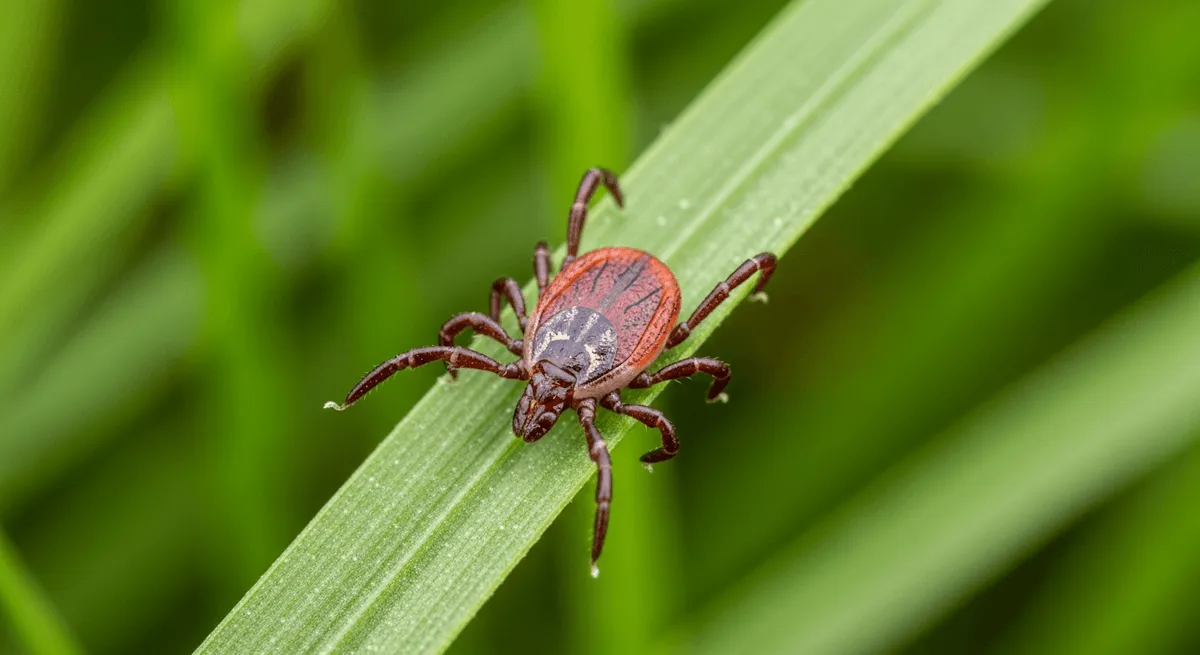
The Tick Problem in Massachusetts
Massachusetts is ground zero for tick-borne illness in the United States. The state's combination of dense forests, mild winters, growing deer populations, and suburban neighborhoods that border wooded areas creates ideal conditions for tick populations to thrive. According to the Massachusetts Department of Public Health, thousands of Lyme disease cases are reported in the state each year, and the actual number of infections is estimated to be significantly higher since many cases go unreported.
The blacklegged tick (also known as the deer tick) is the primary carrier of Lyme disease, but it's far from the only threat. Massachusetts is home to several tick species that transmit a range of serious illnesses, making year-round awareness and prevention essential for every homeowner.
| Tick Species | Diseases Transmitted | Peak Activity | Preferred Habitat |
|---|---|---|---|
| Blacklegged (Deer) Tick | Lyme disease, Anaplasmosis, Babesiosis | April - July, October - November | Wooded areas, leaf litter, tall grass |
| American Dog Tick | Rocky Mountain Spotted Fever, Tularemia | April - August | Grassy fields, roadsides, trails |
| Lone Star Tick | Ehrlichiosis, Alpha-gal Syndrome (red meat allergy) | April - September | Dense undergrowth, wooded edges |
| Brown Dog Tick | Rocky Mountain Spotted Fever (rare in MA) | Year-round (indoors) | Kennels, homes, garages |
When Are Ticks Most Active in Massachusetts?
Many homeowners assume ticks are only a summer problem. In reality, tick season in Massachusetts runs far longer than most people expect. Deer ticks can be active any time temperatures are above freezing, meaning even a mild January day can put your family at risk.
| Season | Months | Risk Level | What's Happening |
|---|---|---|---|
| Early Spring | March - April | HIGH | Adult deer ticks emerge from leaf litter as snow melts; actively seeking hosts |
| Late Spring / Summer | May - August | VERY HIGH | Nymph-stage ticks (poppy-seed size) peak; hardest to detect, most likely to transmit disease |
| Fall | September - November | HIGH | Adult deer ticks become active again; seeking hosts to feed before winter |
| Winter | December - February | LOW | Reduced activity, but deer ticks can emerge on days above 35°F |
Nymph Ticks Are the Biggest Threat
Nymph-stage deer ticks are responsible for the majority of Lyme disease transmissions. They're roughly the size of a poppy seed, making them extremely difficult to spot on skin or clothing. Peak nymph activity runs from May through July — the same time families spend the most time outdoors.
Where Ticks Hide in Your Yard
Ticks don't jump, fly, or drop from trees. They use a behavior called "questing" — climbing to the tips of grass blades, shrubs, or leaf litter and extending their front legs to grab onto any host that brushes past. Understanding where ticks concentrate in your yard is the first step toward effective control.
-
Transition zones: The edges where your lawn meets wooded areas, stone walls, or dense landscaping. These borders are prime tick territory — up to 80% of ticks in residential yards are found within 9 feet of the lawn edge, according to the CDC.
-
Leaf litter and ground cover: Fallen leaves, pine needles, and ground cover plants create moist, shaded environments where ticks thrive. Ticks are extremely vulnerable to drying out, so they seek humidity at ground level.
-
Tall grass and overgrown areas: Unmowed sections, meadow grass, and weedy patches give ticks the height they need to quest for passing hosts — including your children and pets.
-
Woodpiles and shaded structures: Stacked firewood, sheds, play structures in shaded areas, and stone walls attract the mice and chipmunks that carry tick larvae. Where there are rodents, there are ticks.
-
Under bird feeders: Seed attracts mice and chipmunks — the primary hosts for larval and nymph-stage deer ticks. Bird feeders directly increase tick populations in the surrounding area.
Want to make your yard a safer place for your family?
Our professional tick and mosquito control treatments target the areas where ticks live and breed, dramatically reducing populations in your yard all season long.
Schedule FREE EstimateYard Modifications That Reduce Tick Populations
Before reaching for any spray, there are proven landscape modifications that significantly reduce the number of ticks in your yard. These habitat changes target the conditions ticks depend on to survive:
| Modification | Why It Works | How to Do It |
|---|---|---|
| Create a gravel or mulch barrier | Dry barrier ticks won't cross between lawn and woods | Lay a 3-foot-wide strip of wood chips or gravel along woodland edges |
| Keep lawn mowed short | Eliminates questing height; sun dries ticks out | Mow regularly at recommended height for your grass type |
| Remove leaf litter | Eliminates the moist habitat ticks require | Clear leaves from lawn, under trees, and around play areas |
| Stack wood neatly in a dry area | Discourages rodent nesting in woodpiles | Keep woodpiles off the ground and in direct sunlight |
| Move play equipment away from edges | Keeps children away from highest-risk zones | Place swings, playsets, and sandboxes in sunny, central lawn areas |
| Discourage deer | Deer are the primary host for adult deer ticks | Use deer-resistant plantings and consider fencing if deer are common |
Professional Tick Control: How Yard Treatments Work
While landscape modifications reduce tick-friendly habitat, professional tick and mosquito control treatments target existing tick populations where they live and breed. Professional treatments are the most effective way to dramatically reduce tick numbers in your yard — often by 85 to 90 percent.
Barrier Spray Treatments
The most common professional approach uses targeted barrier sprays applied to the areas where ticks concentrate — transition zones, shaded borders, under shrubs, around stone walls, and along fence lines. These treatments create a residual barrier that kills ticks on contact for several weeks. Most programs include applications every 3 to 4 weeks throughout tick season, from April through October.
Granular Treatments
Granular tick control products are applied to lawn areas and garden beds where they dissolve into the soil and thatch layer, creating a zone of protection across your turf. Granular applications complement barrier sprays by covering the broader lawn area where nymph ticks quest for hosts during peak season.
Tick Tube Systems
Tick tubes target the source of the problem — mice. These cardboard tubes contain treated cotton that mice collect for nesting material. When mice use the cotton, it kills the larval ticks feeding on them, breaking the tick lifecycle at its most critical point. Tick tubes are placed around property perimeters and in areas where mouse activity is high.
| Treatment Method | Coverage Area | Frequency | Best For |
|---|---|---|---|
| Barrier Spray | Perimeter, borders, shaded areas | Every 3 - 4 weeks (April - October) | Immediate knockdown of active ticks |
| Granular Application | Lawn and garden beds | 2 - 3 times per season | Broad lawn coverage during nymph season |
| Tick Tubes | Property perimeter, wooded edges | Spring and late summer placement | Breaking the tick lifecycle at the source |
Personal Protection: Tick Checks and Prevention
Even with professional yard treatments and landscape modifications, personal prevention habits are your last and most important line of defense. Ticks can still be encountered on trails, at parks, or in neighbors' yards, so building these habits protects your family everywhere — not just at home.
-
Perform daily tick checks: After spending time outdoors, check your entire body — and your children's. Pay special attention to the scalp, behind ears, underarms, waistline, behind knees, and between toes. Use a mirror for hard-to-see areas.
-
Shower within 2 hours: The CDC recommends showering within two hours of coming indoors. This washes off unattached ticks and gives you an opportunity to do a thorough body check.
-
Tumble-dry clothing on high heat: Ticks can survive a wash cycle, but 10 minutes in a hot dryer kills them. Toss outdoor clothing into the dryer on high heat before washing.
-
Wear light-colored clothing: Light colors make ticks easier to spot before they reach your skin. Tuck pants into socks and shirts into waistbands when walking through tall grass or wooded areas.
-
Use EPA-approved repellents: Products containing DEET (20-30%), picaridin, or oil of lemon eucalyptus are effective against ticks. Permethrin-treated clothing provides long-lasting protection through multiple washes.
-
Check pets daily: Dogs are highly susceptible to tick bites and can carry ticks into your home. Run your hands over your dog's entire body after outdoor time, especially around the ears, neck, and between toes. Talk to your vet about tick prevention products for pets.
What to Do If You Find a Tick
Finding an attached tick is alarming, but proper removal reduces the risk of disease transmission significantly. Lyme disease bacteria typically require 24 to 36 hours of attachment to transmit, so prompt removal is critical.
Proper Tick Removal — Step by Step
-
1
Use fine-tipped tweezers to grasp the tick as close to the skin's surface as possible.
-
2
Pull upward with steady, even pressure. Do not twist, jerk, or squeeze the tick's body.
-
3
Clean the bite area and your hands with rubbing alcohol, iodine scrub, or soap and water.
-
4
Save the tick in a sealed bag with the date noted. If symptoms develop, your doctor may want to identify the species.
-
5
Monitor for symptoms over the next 30 days: a spreading rash (especially a bull's-eye pattern), fever, fatigue, joint pain, or headache. Contact your doctor if any appear.
Never Use These Removal Methods
Do not use nail polish, petroleum jelly, heat, or any "smothering" technique. These methods can cause the tick to regurgitate its stomach contents into the bite wound, increasing the risk of infection. Use fine-tipped tweezers only.
Frequently Asked Questions
How long does a tick need to be attached to transmit Lyme disease?
The Lyme disease bacterium (Borrelia burgdorferi) typically requires 24 to 36 hours of attachment to transmit from a deer tick to a human. This is why daily tick checks are so effective — finding and removing ticks within 24 hours dramatically reduces the risk of infection.
Are tick yard treatments safe for children and pets?
Professional tick treatments are applied to targeted areas and are safe for children and pets once dry, typically within 30 to 60 minutes. We always advise keeping family members and pets off treated areas until the application has fully dried. Our technicians can answer any specific safety questions during your consultation.
Do ticks die off in winter?
No. Deer ticks don't die during Massachusetts winters. Adult ticks become active on any day temperatures climb above 35°F, even in January. They shelter under leaf litter and snow cover, where insulating layers keep them alive until conditions allow them to emerge and quest for hosts.
Can a well-maintained lawn alone prevent ticks?
A well-maintained lawn significantly reduces tick habitat, but it's not enough on its own for properties near wooded areas. Combining lawn care with targeted perimeter treatments, landscape modifications, and personal prevention habits provides the most comprehensive protection.
How much does professional tick control cost?
The cost of professional tick control varies based on property size and the treatment program selected. Most seasonal programs run from April through October with applications every 3 to 4 weeks. Contact us for a free estimate tailored to your property.
Take Back Your Yard from Ticks
Don't let ticks keep your family from enjoying the outdoors. Our professional tick and mosquito control programs protect your yard all season long so you can spend more time outside with peace of mind.
Get Your Free Yard Assessment