Early Spring Feeding: The Foundation for a Healthy, Vibrant Lawn
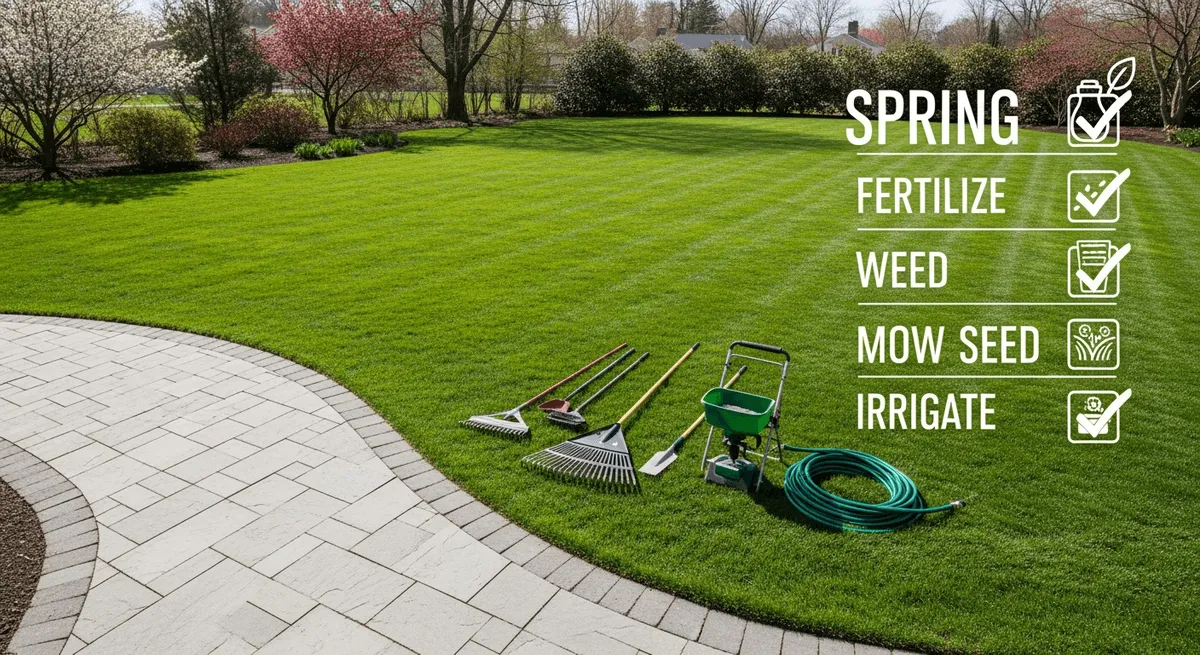
The moment winter begins to release its grip, your lawn starts its journey back to life. This critical transition period is when proper early spring feeding makes all the difference between a lawn that merely survives and one that truly thrives.

Why Early Spring Feeding Matters for Your Lawn
After months of dormancy, your lawn emerges from winter in a vulnerable state. The root system has depleted much of its stored energy, and the grass needs proper nutrition to recover and prepare for the growing season ahead. Early spring feeding provides essential nutrients that kick-start healthy growth and set the tone for the entire year.
Strengthen Root Development
A strong root system is the foundation of a healthy lawn. Early spring feeding encourages deep root growth that helps your lawn access water and nutrients throughout the season, making it more drought-resistant and resilient.
Promote Dense, Healthy Growth
Proper nutrition in spring stimulates thick grass growth that naturally crowds out weeds and crabgrass. A dense lawn not only looks better but requires less maintenance and fewer interventions throughout the year.
Restore Vibrant Color
Winter takes its toll on lawn color. The right nutrients help restore that rich, green color that signals a healthy, well-maintained property. This curb appeal boost is often visible within weeks of proper feeding.
Build Disease Resistance
A well-nourished lawn is better equipped to resist common lawn diseases and pest problems. Early spring feeding strengthens your lawn's natural defenses, reducing the need for treatments later in the season.
| Benefit | Without Spring Feeding | With Spring Feeding |
|---|---|---|
| Root Depth | Shallow, weak roots | Deep, strong root system |
| Grass Density | Thin, patchy coverage | Thick, uniform lawn |
| Weed Resistance | Vulnerable to weed invasion | Natural weed suppression |
| Color | Pale, yellowish tone | Rich, vibrant green |
| Disease Resistance | Susceptible to fungus/disease | Strong natural defenses |
Ready to give your lawn the best start this spring?
Our professional team brings scientific knowledge, local expertise, and premium products to deliver results that DIY approaches simply can't match.
Schedule FREE EstimateWhen to Apply Spring Lawn Fertilizer: Timing Matters
According to Michigan State University Extension, the timing of your spring lawn fertilizer application is critical for optimal results. Many homeowners make the mistake of fertilizing too early, which can actually harm your lawn's long-term health.
"Research at Michigan State University has shown that applying nitrogen fertilizer in early spring stimulates shoot growth at the expense of root growth. Early spring applications that contain high amounts of quick-release nitrogen can actually weaken your lawn instead of making it stronger."
— Michigan State University Extension
The Ideal Timing Window
The best time for early spring feeding is when your lawn has fully broken dormancy and begun active growth — typically when soil temperatures consistently reach 55 degrees Fahrenheit. A good visual indicator is when you've mowed your lawn 2 to 3 times in the season. By this point, your grass is actively growing and can effectively utilize the nutrients you apply.
| Region | Ideal Timing | Visual Indicator |
|---|---|---|
| Northern Regions (MA, CT, NH) | Late April to early May | After 2-3 mowings; soil temp above 55°F |
| Central Regions | Mid-March to early April | Grass actively growing; forsythia blooming |
| Southern Regions | Late February to mid-March | Bermudagrass greening up; soil warming |
Don't Fertilize Too Early
Applying fertilizer before your lawn breaks dormancy wastes product and can stimulate shoot growth at the expense of root development. Wait until your grass is actively growing and soil temperatures are consistently above 55°F.
Recommended Spring Lawn Fertilizer: Quality Matters
Not all spring fertilizers are created equal. The best results come from using properly formulated products that match your lawn's specific needs. When fertilizing your lawn in the spring, the nutrient ratio and release mechanism make a significant difference in outcomes.
Understanding Fertilizer Numbers (N-P-K)
Fertilizer labels display three numbers (like 24-0-10) representing the percentage of nitrogen (N), phosphorus (P), and potassium (K). For early spring feeding, here's what to look for:
| Nutrient | Ideal Range | Role in Spring Feeding |
|---|---|---|
| Nitrogen (N) | 18 - 24% | Supports healthy green growth without excessive top growth |
| Phosphorus (P) | Low or 0% | Most established lawns have adequate phosphorus levels already |
| Potassium (K) | 8 - 12% | Promotes root development and stress tolerance |
Slow-Release vs. Quick-Release Formulations
Professional lawn care services prefer slow-release nitrogen fertilizers for spring applications. Here's the comparison:
| Feature | Slow-Release | Quick-Release |
|---|---|---|
| Feeding Duration | 8 - 12 weeks of steady delivery | 2 - 4 weeks, then depleted |
| Burn Risk | Very low | Higher, especially in warm weather |
| Root Development | Encourages deep, strong roots | Promotes top growth over roots |
| Environmental Impact | Less runoff into waterways | Greater risk of nutrient runoff |
| Cost Efficiency | Better long-term value | Lower upfront cost, more applications needed |
Professional Application Techniques for Optimal Results
How you apply spring fertilizer is just as important as what you apply. Professional application ensures even coverage, proper rate, and minimal environmental impact — all factors that significantly affect your results.
Calibrated Equipment
Professional spreaders are calibrated to deliver the exact amount of product needed. Over-application wastes money and can burn your lawn, while under-application produces disappointing results. Our technicians verify spreader settings before every application.
Overlapping Pattern Application
We use a systematic overlapping pattern that ensures uniform coverage across your entire lawn. This technique eliminates the striping and patchy growth that often results from DIY applications.
Edge Treatment
Special attention to edges prevents fertilizer from reaching sidewalks, driveways, and flower beds where it doesn't belong. This protects your hardscapes from staining and keeps nutrients where your lawn can use them.
Weather Considerations
Professional timing considers weather forecasts. We apply fertilizer when rain is expected within 24 to 48 hours for natural watering-in, but avoid application before heavy storms that could cause nutrient runoff.
| Technique | Professional Approach | DIY Approach |
|---|---|---|
| Spreader Calibration | Verified before every application | Often uncalibrated or estimated |
| Coverage Pattern | Systematic overlapping passes | Uneven, often causes striping |
| Edge Control | Precise boundary application | Fertilizer on hardscapes |
| Weather Timing | Scheduled around forecasts | Applied when convenient |
What to Do After Spring Feeding
Spring feeding is just one piece of the puzzle. To maximize results, combine it with other essential spring lawn care practices:
-
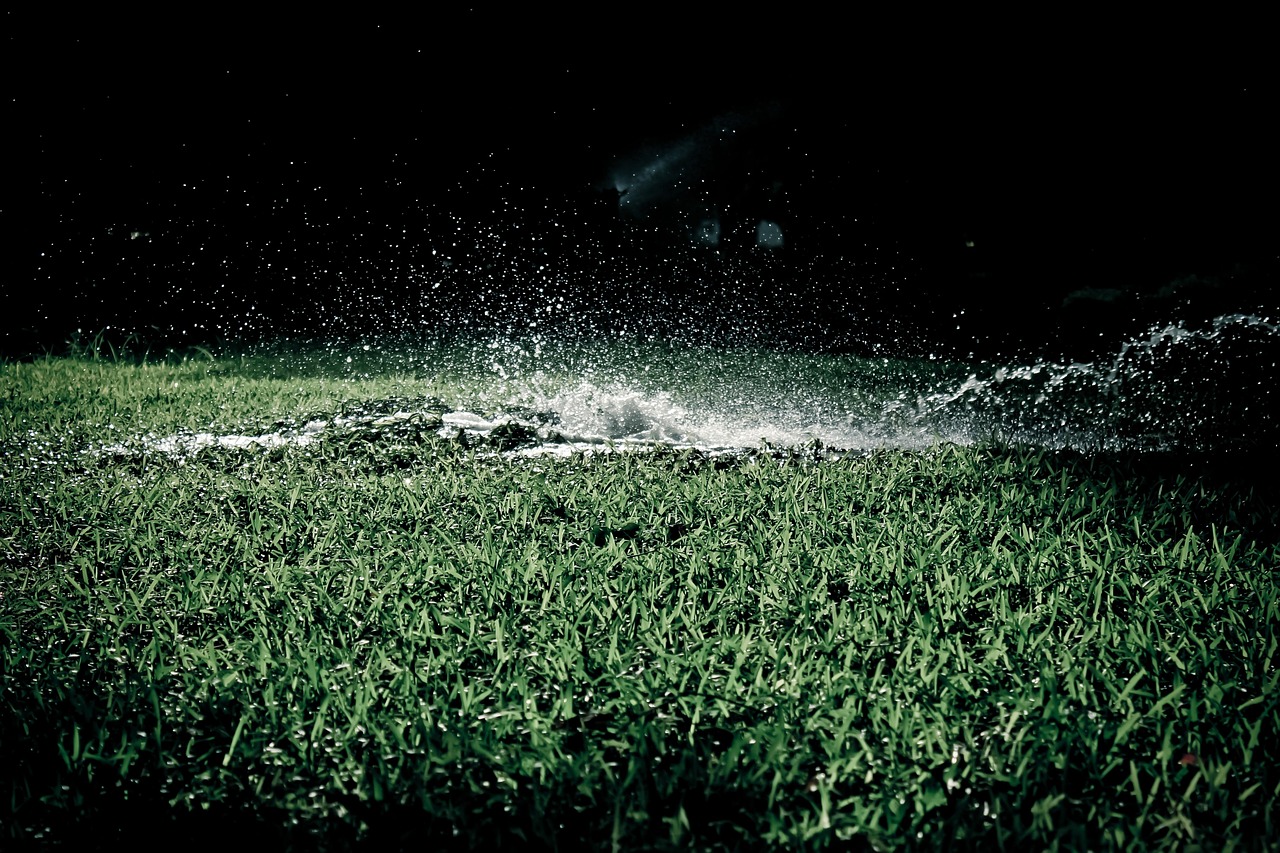
Water properly: If rain doesn't arrive within 48 hours of application, water your lawn lightly to activate the fertilizer. Follow a consistent watering schedule throughout spring.
-
Apply pre-emergent: Time your crabgrass pre-emergent to prevent weed seeds from germinating as the soil warms.
-
Mow at the right height: Keep your mower blade at 3 to 3.5 inches for cool-season grasses. Taller grass shades soil, retains moisture, and crowds out weeds.
-
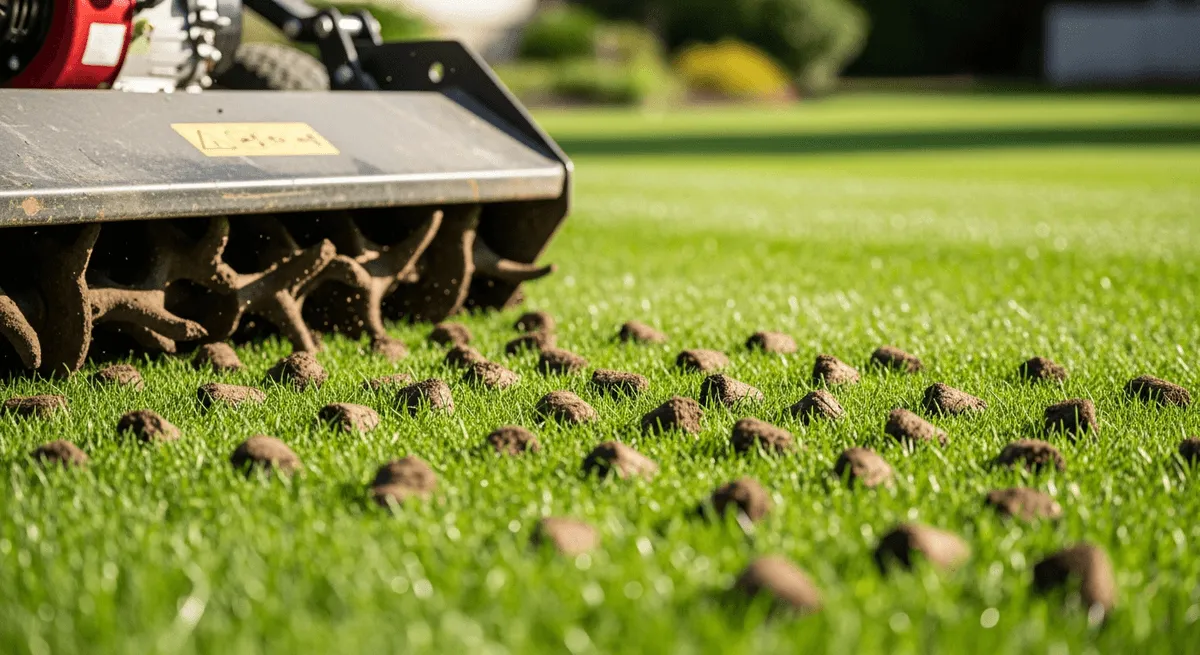
Schedule aeration: Consider core aeration to relieve compaction and allow nutrients to penetrate deeper into the root zone.
-
Address grub damage: If you notice brown patches or spongy turf, check for grub damage and treat early before populations explode.
Frequently Asked Questions About Spring Lawn Feeding
Can I apply spring fertilizer and crabgrass pre-emergent at the same time?
Yes, many professional products combine both in a single application. This saves time and ensures even distribution. However, timing should be based on soil temperature — apply when soil temps hit 55°F for best results with both products.
How soon after fertilizing will I see results?
With slow-release fertilizer, you'll typically see noticeable greening within 1 to 2 weeks and continued improvement over the following 8 to 12 weeks as nutrients are gradually released into the soil.
What if I miss the ideal spring feeding window?
It's better to fertilize a little late than too early. If you miss the window, apply a slow-release formula as soon as possible. Avoid fertilizing during hot summer months, as this can stress your lawn. Contact a professional service for guidance on adjusting your schedule.
Is it safe to fertilize if I have pets or children?
Most modern lawn fertilizers are safe once watered in and dried. We recommend keeping pets and children off the lawn until the product has been watered in and the grass is dry, typically 24 to 48 hours after application.
How often should I fertilize my lawn throughout the year?
Most cool-season lawns in Massachusetts benefit from 4 to 5 fertilizer applications per year: early spring, late spring, summer, early fall, and late fall. Our seasonal programs are designed to provide the right nutrients at every stage of the growing season.
Why is professional application better than DIY?
Professional application uses commercial-grade products, calibrated equipment, and expert technique to deliver more consistent, effective results. We also factor in local soil conditions, thatch levels, and weather patterns specific to your property.
Start Your Lawn's Journey to Health with Early Spring Feeding
The decisions you make about early spring feeding set the foundation for your lawn's health throughout the entire growing season. Let our experts evaluate your lawn and provide personalized recommendations.
Get Your Free Lawn Assessment